01
Exterior Wall & Metal-Panel Inspection
Metal panels, fasteners, laps, trim and other exterior wall materials, checked for gaps, damage and openings.

Water intrusion doesn't always originate at the roof. WW Construction & Roofing evaluates the roof and the exterior building envelope to help identify where water is entering your building and what corrective work may be needed. Serving the Texas Panhandle & surrounding areas.
A stain on a ceiling or a wet wall inside the building doesn't always mean the roof has failed. Water can enter through an open wall joint, a deteriorated sealant line, a parapet, a roof-to-wall transition or an exterior penetration, then travel a long way before it shows up inside.
Replacing or repairing roofing that isn't the source doesn't stop the leak. That's why WW looks at the roof and the exterior walls together, photographs what we find and explains where water is most likely getting in before recommending corrective work. When the source is the roof itself, WW handles the commercial roof repair too.
The building envelope is everything that separates the inside of your building from the weather. WW evaluates the exterior components where water most often gets in, along with the roof areas that connect to them.
Metal panels, fasteners, laps, trim and other exterior wall materials, checked for gaps, damage and openings.
Where a roof meets a taller wall, one of the most common places for water to get behind the building's surfaces.
Parapet walls, copings, caps and their joints and fasteners, where exposure to weather is high.
Building and roof expansion joints, including joint covers and seals that can open or fail as the structure moves.
Sealant joints between panels, materials and openings, checked for cracking, shrinking, separation and missing sections.
Pipes, conduits, vents, lights and equipment passing through exterior walls, and the seals around them.
Where applicable, the perimeter joints and flashings around windows, storefronts, doors and other wall openings.
Base flashing, counterflashing, metal edge and trim details that direct water away from joints and transitions.
Interior staining and wet areas traced back to the exterior to help locate the likely source.
Gutters, downspouts, scuppers and the drainage interfaces where water can back up or discharge against the building.
Start with a commercial property assessment. WW looks at the roof and the exterior walls together to help find where water is getting in.
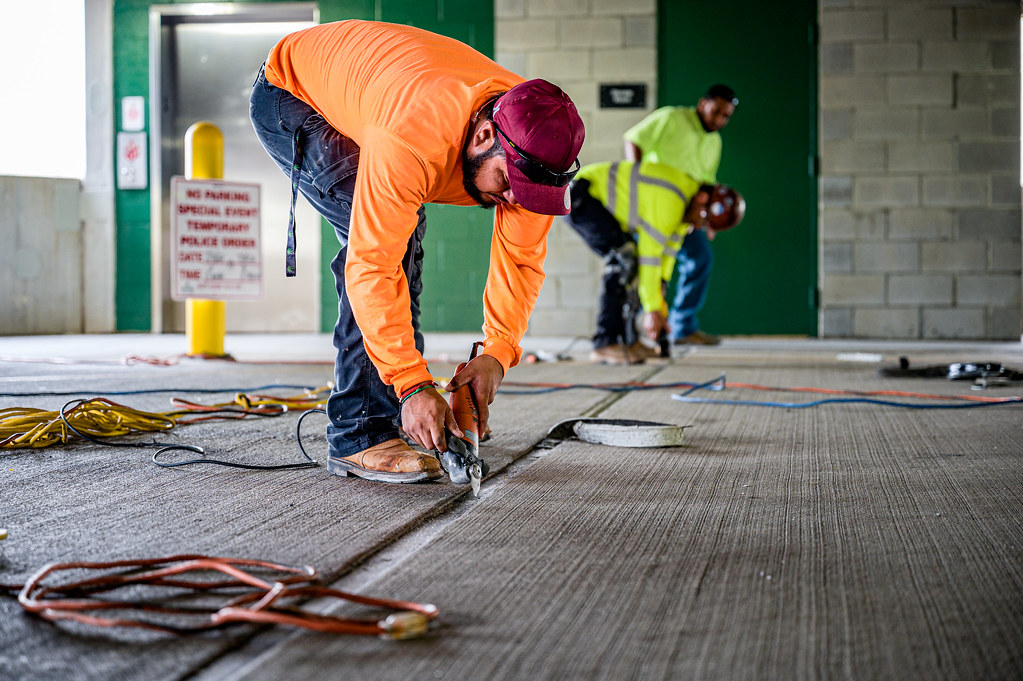
Most exterior water intrusion happens at the places where materials meet: joints, transitions, penetrations and edges. Sealants weather and pull away, flashings loosen, panels shift and joints open as the building moves through heat, cold and wind.
WW inspects these vulnerable areas and, where repairs are needed, performs corrective waterproofing work, such as caulking, removing and replacing failed sealants and joint seals, re-securing or replacing flashing and trim, and sealing openings around penetrations.
Some of these conditions are easy to see from the ground. Others only show up on a close inspection of the wall, the roof edge or the joint itself. If you're seeing any of them, or dealing with a leak that keeps coming back, it's worth having the exterior evaluated.
Request a commercial property assessment and WW will evaluate the roof and exterior building envelope before recommending corrective work.
Every building envelope assessment follows the same straightforward process, so you know what we found, where it is and what we recommend doing about it.
Inspect the roof and the relevant exterior walls, joints, transitions, penetrations and drainage.
Photograph and document the visible conditions and problem areas.
Identify the likely water-entry points based on what we find on the roof and the exterior.
Recommend corrective work, prioritized so the most urgent items are addressed first.
Perform the repairs and help maintain the building envelope where appropriate.
Documented and prioritized. WW photographs and documents the visible conditions we find and organizes our recommendations by priority, so owners and managers can see the problem areas, understand what needs attention now and plan for what can wait.
Request a Commercial Property AssessmentSealants, flashings and joints don't last forever. Catching them as they begin to deteriorate is usually simpler than dealing with the water damage that follows.
Where appropriate, building-envelope inspections can be incorporated into WW's Commercial Roof Maintenance program, so the exterior walls, joints and transitions are checked alongside the roof on a regular schedule. Any repair work beyond the maintenance plan is quoted separately.
Roof inspections can include the parapets, transitions, joints and walls that connect to the roof.
Track sealants, flashings and joint seals over time and address problem areas as they develop.
Check gutters, downspouts and drainage interfaces as part of routine maintenance visits.
Photos and prioritized recommendations help with planning and budgeting for future work.
WW works with property owners, property managers, facility managers and commercial building owners across a wide range of building types.
Tell us about your building and any leaks, water staining or exterior wall concerns. We'll follow up to schedule an assessment.
Your assessment request has been sent to WW Construction & Roofing. For anything urgent, call (806) 273-8555.
Residential roofing is also available. While our focus is commercial roofing and building services, WW Construction & Roofing also provides residential roofing. Call to discuss your home.
Call (806) 273-8555